







Search Results for: pour-over beans

How Is Iced Pour-Over Different from Hot Pour-Over? Coffee-to-Water Ratio, Brewing Logic, and Front Street Coffee Bean Recommendations
As temperatures rise, the choice between iced pour-over and hot pour-over has become a topic of interest for many coffee lovers. The same bean, brewed as a hot drink or a cold drink, takes on completely different flavor directions. Behind this lie two different brewing logics: hot pour-over uses a full coffee-to-water ratio to extract and showcase the bean's original layers; iced pour-over reduces the water amount, increases extraction efficiency, and then relies on ice cubes to dilute and cool it down. Understanding these differences can help you more accurately judge how a bean is best brewed. This article will compare brewing principles, flavor expression, aroma characteristics, and more, and will also include Front Street's bean list recommendations for different taste preferences, so you can still enjoy the cup you love even in the heat of summer. [more…]

Iced Pour-Over Coffee Bean Selection Guide: Flavor Differences Between Hot and Iced Brewing and Front Street Coffee's Recommended Bean List
In the heat of summer, iced pour-over coffee becomes the top choice for many coffee lovers. But not all coffee beans are suitable for iced brewing, and there are clear differences in flavor and mouthfeel between hot pour-over and iced pour-over. Starting from Front Street Coffee's actual brewing methods, this article compares in detail the differences between iced pour-over and hot pour-over in grind size, coffee-to-water ratio, water temperature, and pouring technique, and uses three beans—Front Street Ethiopia Huakui, Brazil Queen's Estate Yellow Bourbon, and Indonesia Golden Mandheling—for flavor comparisons. It also sorts out the types of coffee beans suitable and unsuitable for making iced pour-over, and recommends standout beans such as Front Street Ethiopia TOH Washed Champion Bean Huaxu, Front Street Strawberry Candy, Front Street Blackberry, Front Street Colombia Sidra, and Front Street Big Belly, helping you choose the right beans in summer and make a clean, refreshing cup of good coffee. [more…]

Analysis of Hot vs. Cold Flavor Differences in Pour-Over Coffee: Which Coffee Beans Are Better for Iced Pour-Over?
Front Street's store bean list is extensive, and many customers face a dilemma after choosing their coffee beans: should they make a hot pour-over or an iced pour-over? What exactly is the difference in flavor between the two? This article starts from Front Street's actual brewing parameters, analyzes the construction logic of iced pour-over, and conducts a hot-versus-cold comparison using four representative coffee beans—Ethiopia TOH Uraga, Papua New Guinea Bird of Paradise, Indonesia Golden Mandheling, and Colombia Flower Moon Night—evaluating them across three dimensions: aroma, flavor, and mouthfeel. The results show that hot pour-over generally has the advantage in aroma richness and layering, while iced pour-over is more popular in summer thanks to its cold-drink appeal. The article also points out that light-roast and anaerobic-process coffee beans are more suitable for making iced pour-over, while medium-dark roast beans are not very suitable. [more…]
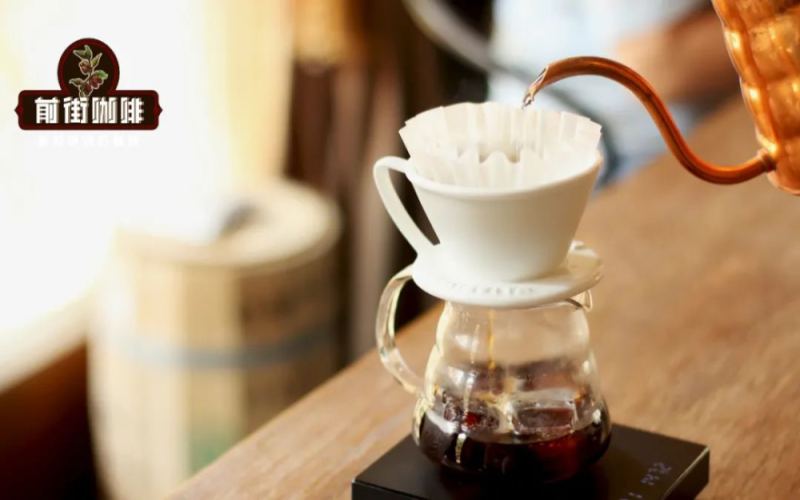
A Complete Analysis of the Flavor Differences Between Iced and Hot Pour-Over: Which Coffee Beans Are Better for Iced Brewing?
During the National Day holiday, many coffee enthusiasts visited the shop to buy coffee beans and also asked Front Street about a common confusion: the same beans, when brewed as hot pour-over, have excellent aroma and taste, but when made into iced pour-over, the flavor becomes vague, the mouthfeel is thin, and it even tastes like water. Why exactly is this? Front Street selected four coffee beans with different styles and conducted hot pour-over and iced pour-over extractions respectively, comparing them from the three dimensions of aroma, flavor, and mouthfeel. This article will take washed medium-light roast, natural medium-light roast, dark roast, and fermented beans as examples, presenting the true performance of each under the two brewing methods one by one, and deeply analyze the reasons why iced pour-over flavor becomes weaker. Finally, it will give suggestions for selecting coffee beans suitable for making iced pour-over, helping everyone enjoy a rich yet refreshing iced coffee even in hot weather. [more…]
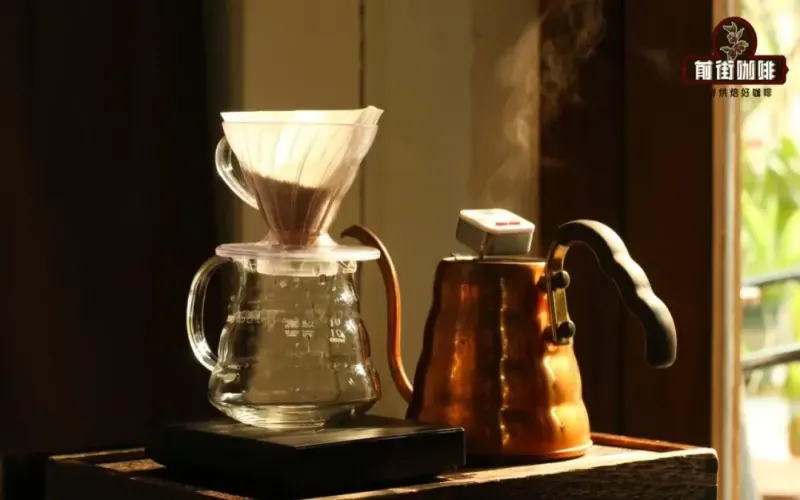
Can espresso blend beans be used for pour-over and cold brew? An analysis of grind size and water temperature parameters for dark roast coffee
Pour-over and espresso differ significantly in the texture of the final cup due to their different extraction methods and filtering devices—pour-over is cleaner, while espresso is richer and more full-bodied. This leads many people to try using espresso beans for pour-over, or pour-over beans for espresso. In reality, the two are simply different extraction methods, and there is no absolute boundary between the beans themselves. However, espresso beans are usually roasted darker, so when used for pour-over, the parameters need to be adjusted to reduce extraction efficiency and avoid over-extraction. This article will specifically explain how to set key parameters such as grind size, water temperature, and coffee-to-water ratio when using espresso blend beans to make pour-over and cold brew coffee, and will recommend several Front Street Coffee beans that work well for espresso, pour-over, and cold brew alike. [more…]
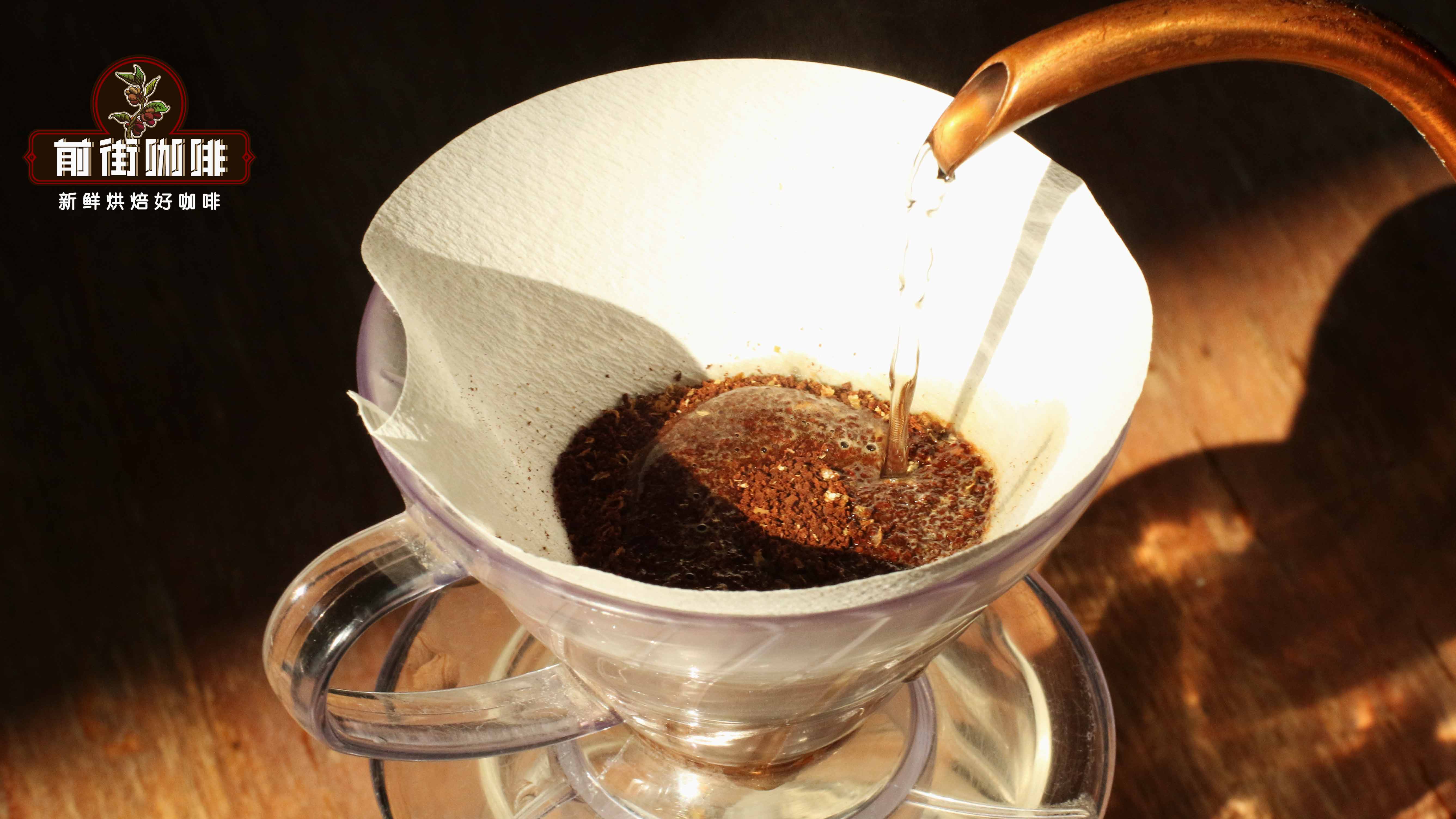
The Hot vs. Cold Pour-Over Coffee Debate: Why Choose Hot Brewing to Taste the Bean's True Flavor? The Principles of Japanese-Style Iced Pour-Over and Bean Selection Tips
Pour-over coffee, with its efficiency and convenience, has become a signature offering at many cafés. Brewed from the same bag of beans, hot and iced pour-over deliver completely different experiences. Drawing on everyday inquiries at Front Street stores, this article breaks down the differences between hot pour-over and Japanese-style iced pour-over in terms of grind size, water temperature, coffee-to-water ratio, and other parameters, explaining why hot pour-over has the edge when pursuing complete flavor, while also acknowledging the strengths of iced pour-over in cleanliness and refreshing crispness. At the end, it organizes pour-over bean recommendations from Front Street suited to different taste preferences—including Xizhua, Huakui, Strawberry Candy, as well as PWN Golden Mandheling, Queen's Estate, and Bird of Paradise—to help enthusiasts choose according to their needs. [more…]
Why Does Iced Pour-Over Coffee Taste Weaker? A Comparative Analysis of Hot and Cold Extraction with Four Different Coffee Bean Styles
Both are pour-over coffees, but just how big is the difference in taste between the hot version and the iced version? Many coffee enthusiasts have noticed that certain beans, when brewed hot, are full of aroma and layered with complexity, yet once turned into iced pour-over, they become as bland as water. To get to the bottom of this, Front Street Coffee selected four coffee beans with distinctly different profiles and brewed each as both hot pour-over and iced pour-over, comparing them one by one across three dimensions: aroma, flavor, and mouthfeel. This article not only presents the detailed comparison results, but also starts from the principles of extraction to explain why iced pour-over tends to lose flavor, and offers advice on selecting coffee beans suitable for making iced pour-over. [more…]
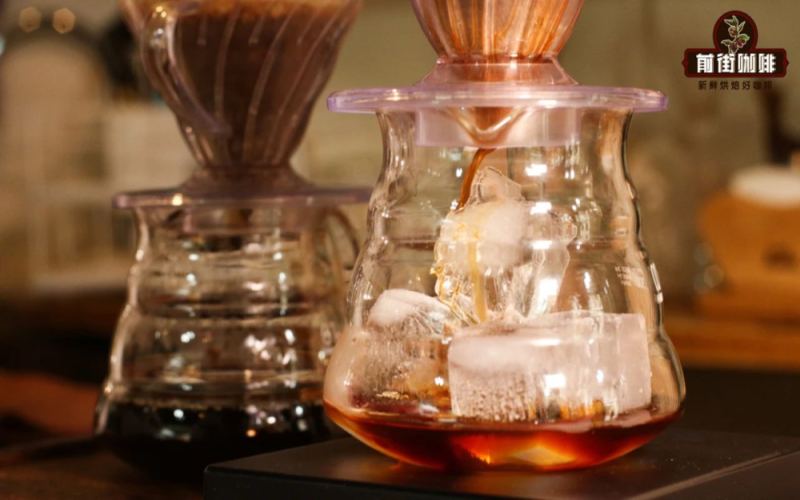
Can pour-over coffee beans be used for blended coffee? The meaning of pour-over blending and a guide to affordable bean recommendations
Friends who frequent coffee shops may have noticed that pour-over coffee usually uses single-origin coffee beans without any flavoring, in order to savor their unique aroma. But in recent years, the concept of "pour-over blends" has gradually emerged. So-called pour-over blending refers to mixing two or more single-origin beans in proportion, centering on a certain flavor focus, harmonizing sweetness, bitterness, acidity, and aroma layers to create a personal, exclusive coffee experience. This article will explain the meaning of pour-over blending and share Front Street Coffee's blending approach and specific plans, helping you make pour-over blends that suit your taste at home, while also recommending affordable pour-over beans suitable for daily use. [more…]
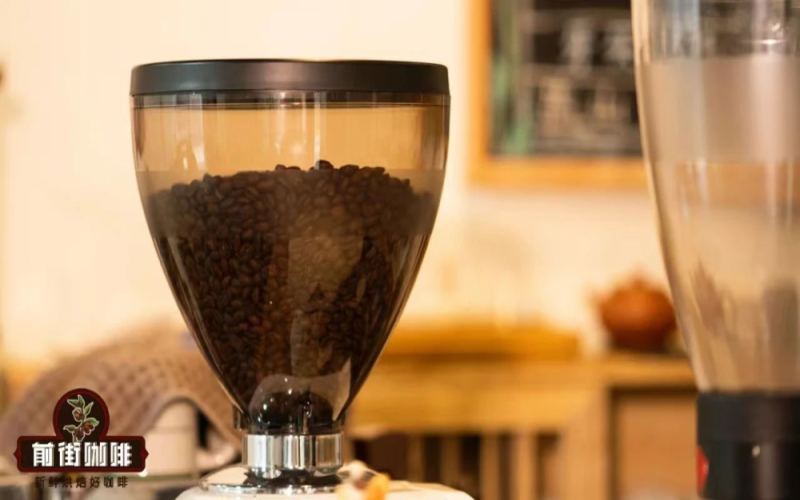
Flavor Characteristics of Pour-Over Blend Coffee Beans | Can Blend Coffee Beans Be Used to Brew Pour-Over Black Coffee? How to Choose Pour-Over Blend Coffee Beans?
For more specialty coffee knowledge, please follow our WeChat official account: FrontStreet Coffee. Blended coffee beans are commonly found in espresso, but are rarely seen in pour-over coffee. So, will blended coffee beans taste good when brewed as pour-over? - Understanding blended coffee beans [more…]

Can Espresso Blend Beans Handle Pour-Over? Can Single-Origin Coffee Make Espresso? A Complete Analysis
There are many different ways to brew coffee, and espresso and pour-over drip are currently the two most mainstream methods. Many enthusiasts often have a question: if espresso blend beans are used for pour-over, will it taste good? Conversely, can single-origin pour-over beans be used to extract espresso? To answer these questions, we must first start with the principles of the two extraction methods. Pour-over is a drip extraction method, while espresso relies on pressure-driven extraction, and their roasting curves and flavor goals are not the same. This article will start from the principles of extraction, analyze the feasibility of using blend beans for pour-over, and, combined with specific products on Front Street Coffee's bean list, provide practical suggestions for making espresso with single-origin beans. [more…]

What Is Black Coffee? The Real Difference Between Americano and Pour-Over, and How Espresso Is Made
Americano and pour-over both belong to the black coffee camp, yet they are often compared side by side to determine which is superior, even giving rise to the stereotype that "Americano is inferior to pour-over." This article, from the perspective of Front Street, first clarifies the respective definitions and brewing logic of Americano and pour-over coffee, then breaks down where this prejudice comes from across three dimensions: bean selection, price, and operation. The article also explains that blended beans are not necessarily inferior to single-origin beans, that Americano may actually cost more, and the technical difficulty behind espresso production, helping readers understand that the two types of coffee are inherently equal and that a hierarchy of contempt should not exist. [more…]
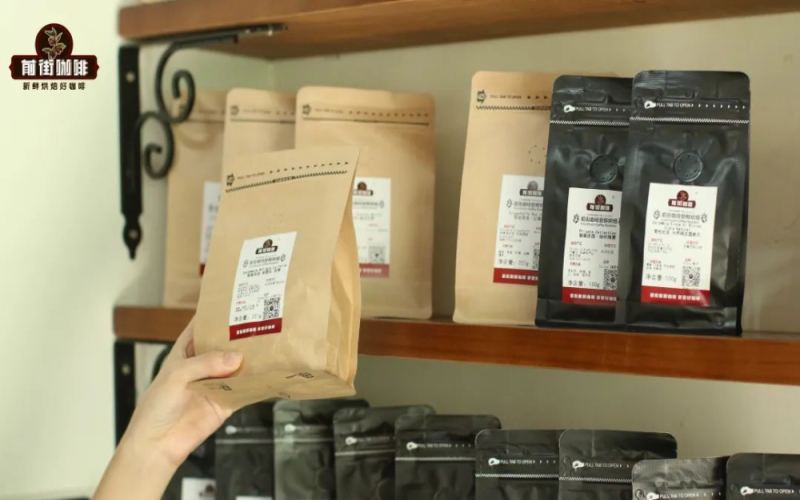
Can Espresso Blend Beans Handle Pour-Over? An In-Depth Analysis of the Price Difference Between Espresso Beans and Pour-Over Beans and Brewing Practice
When selecting coffee beans, we often face two choices: single-origin beans and espresso blends. The former is suitable for a variety of extraction methods, while the latter is designed specifically for espresso machines. But can espresso beans be used for pour-over? Why are pour-over beans more expensive? This article will start from the characteristics and blending logic of espresso beans, explore their feasibility for pour-over, and use Front Street Strawberry Candy espresso blend as an example to share practical brewing experience and flavor performance. Whether you are a beginner or a seasoned enthusiast, you will find useful references here. [more…]
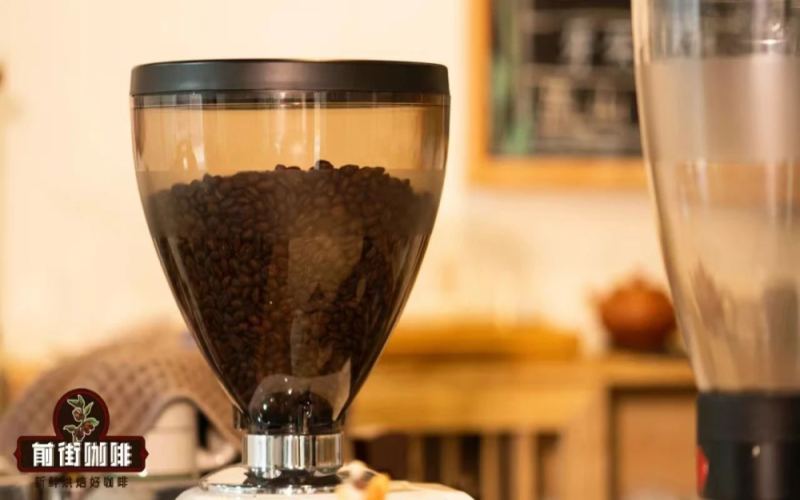
How to Choose Beans for Pour-Over Blend Coffee? A Full Analysis of Three Great-Tasting Recipes and Their Flavor Characteristics
Blended coffee beans commonly appear in espresso, but are rarely seen in pour-over. So, are blended beans actually tasty when extracted by pour-over? Starting from the concept of blended coffee beans, this article clarifies the relationships between espresso beans and pour-over beans, and between blends and single origins, explaining that a blend is not synonymous with low quality—the key lies in the blender's purpose and recipe design. The article also shares the experience of Front Street Coffee's own roasted Sunflower Warm Sun blend, and provides three pour-over-friendly blend recipes—Mamba Blend, Deep Affection, and Floral-Fruity Harmony—describing each one's flavor performance to help coffee lovers understand how to choose and combine beans to make a delicious pour-over blend. [more…]
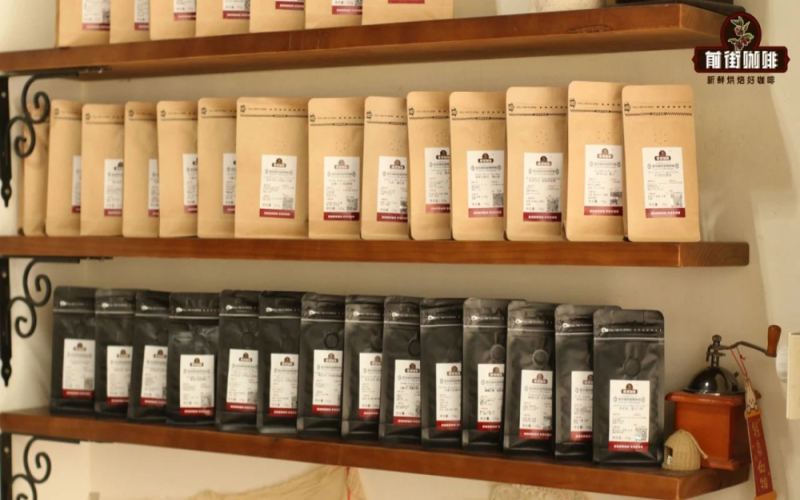
What Are the Flavor Differences Between Cold Brew and Pour-Over? Cold Extraction Has Higher Caffeine—Front Street Coffee Teaches You How to Choose Beans
Why do the same coffee beans taste so completely different when made as cold brew versus pour-over? The key lies in the extraction temperature. Pour-over uses hot water to quickly release the coffee's rich aromas and layers, while cold brew relies on a long, low-temperature steep, delivering a sweet, crisp, and refreshing taste—though with slightly less fullness of flavor. Low-temperature extraction also reduces bitter compounds, but it also results in a higher caffeine content. Using Front Street Coffee's light-roast washed Yirgacheffe Geddid as an example, we compare hot pour-over, cold brew, and iced pour-over to analyze why the flavors differ, and offer coffee bean recommendations suitable for home cold brew and pour-over. [more…]

Beans for Both Espresso and Pour-Over: How to Configure a Single Machine for Two Brewing Methods
Players who have both an espresso machine and a pour-over kettle at home often fall into a kind of happy dilemma: when buying beans, they're always torn over "should this one be for pour-over or for espresso?" Actually, the mature approach is a dual-purpose bean lineup—within the same purchase batch, some beans are dedicated to espresso, some are dedicated to pour-over, and some can pull off both faces. This article talks about [more…]

Can iced pour-over coffee be brewed directly with ice water? A detailed explanation of the extraction principles and parameters of Japanese-style iced pour-over and hot pour-over
Many people, when first encountering iced pour-over, have this thought: since hot americano uses hot water and iced americano uses ice water, then if hot pour-over uses hot water, shouldn't iced pour-over just use ice water directly? This idea sounds reasonable, but pour-over extraction is far from that simple. This article will first clarify the underlying logic of extraction, then explain why brewing with ice water is theoretically feasible but almost no one actually does it in practice, followed by an analysis of the relationship between Japanese-style iced pour-over and hot pour-over, complete parameters from Front Street Coffee for both hot and iced brewing, and finally a real result from an ice water brewing experiment, for coffee enthusiasts' reference. [more…]
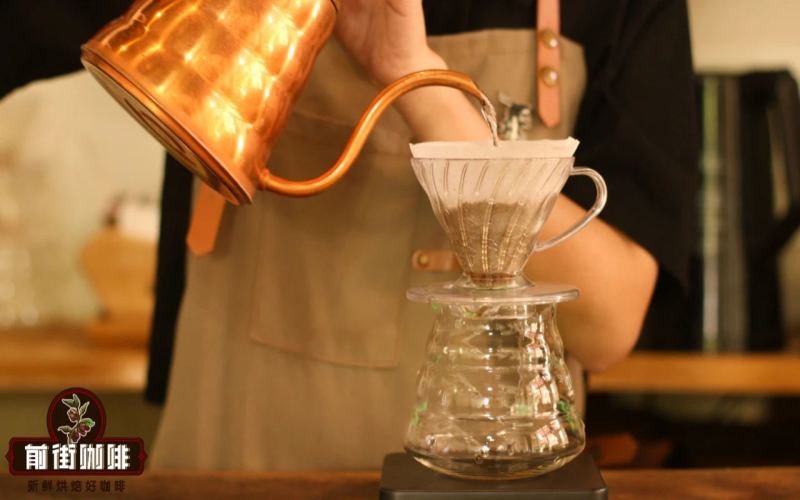
Definition of Pour-Over Coffee | What Coffee Equipment Is Needed to Make Pour-Over Coffee? How Does the Coffee-to-Water Ratio Differ Between Pour-Over Coffee and Iced Pour-Over Coffee?
What is "pour-over coffee"? Coffee beans undergo a series of chemical reactions during high-temperature roasting, generating various aromatic compounds. When we brew coffee, we use water and equipment to release these aromatic components. Pour-over coffee involves first grinding the coffee beans into powder, then pouring hot water to contact the coffee bed, "dissolving" the substances in the coffee. [more…]

Can SOE single-origin beans be used for pour-over? A full analysis of the differences between single-origin and blends and pour-over parameters
When ordering at a café, espresso and pour-over often correspond to two paths: blended beans and single-origin beans. In recent years, many high-quality single-origin beans have been made into SOE versions for espresso extraction. So can these SOE beans be used for pour-over? And what exactly is the difference between them and pour-over single-origin beans? This article will start from the concept and characteristics of SOE, compare the differences between blended beans and single-origin beans, explain the divergence in roasting curves between SOE and pour-over single-origin beans, and provide suggestions on water temperature and grind size when using SOE beans for pour-over, helping coffee enthusiasts find a suitable brewing plan under different roast levels. [more…]

A Comprehensive Analysis of Caffeine Content in Pour-Over vs. Espresso and Whether Espresso Blend Beans Can Be Used for Pour-Over
There are significant differences between pour-over coffee and espresso in terms of preparation methods, coffee bean selection, and caffeine content. Pour-over mostly uses single-origin beans, primarily light to medium roasts, extracted at normal pressure over a longer time, so the amount of caffeine dissolved out is relatively higher; espresso relies on blended comprehensive beans, deep roasting, and rapid extraction at 9 atmospheres of pressure, with a thick mouthfeel, making it suitable for pairing with milk. This article will compare the three dimensions of bean selection, preparation methods, and caffeine content, and provide a detailed introduction to the Espresso preparation process at Front Street stores and the practical steps of pour-over coffee, helping enthusiasts understand the essential differences between the two extraction methods, while also answering the common question of whether espresso blend beans are suitable for pour-over. [more…]
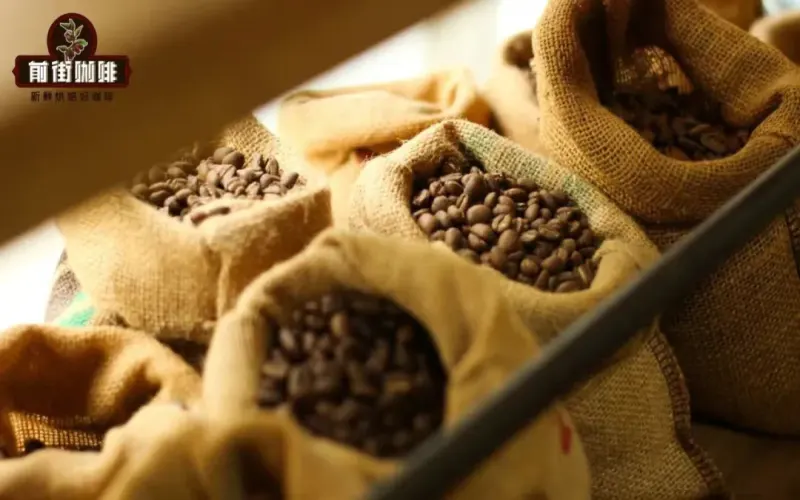
What Are the Differences Between Espresso and Pour-Over Coffee Beans? A Comprehensive Analysis from Roast Level and Extraction Method to Single-Origin and Blends
Friends who are new to coffee often feel overwhelmed by the dazzling array of bean labels and don't know how to choose the coffee beans that suit them. In fact, the differences between espresso beans and pour-over beans are not as complicated as imagined. The core difference lies mainly in the roast level—espresso beans tend to be dark-roasted, while pour-over beans tend to be light-roasted, and this difference stems from the different extraction methods. Once you understand the characteristics of pressure extraction and drip extraction, you'll see why some beans are better suited for espresso and others for pour-over. This article will also clarify common misconceptions about single-origin versus blends, and explain the quality logic behind price differences, helping you make more suitable choices under different extraction methods. [more…]